


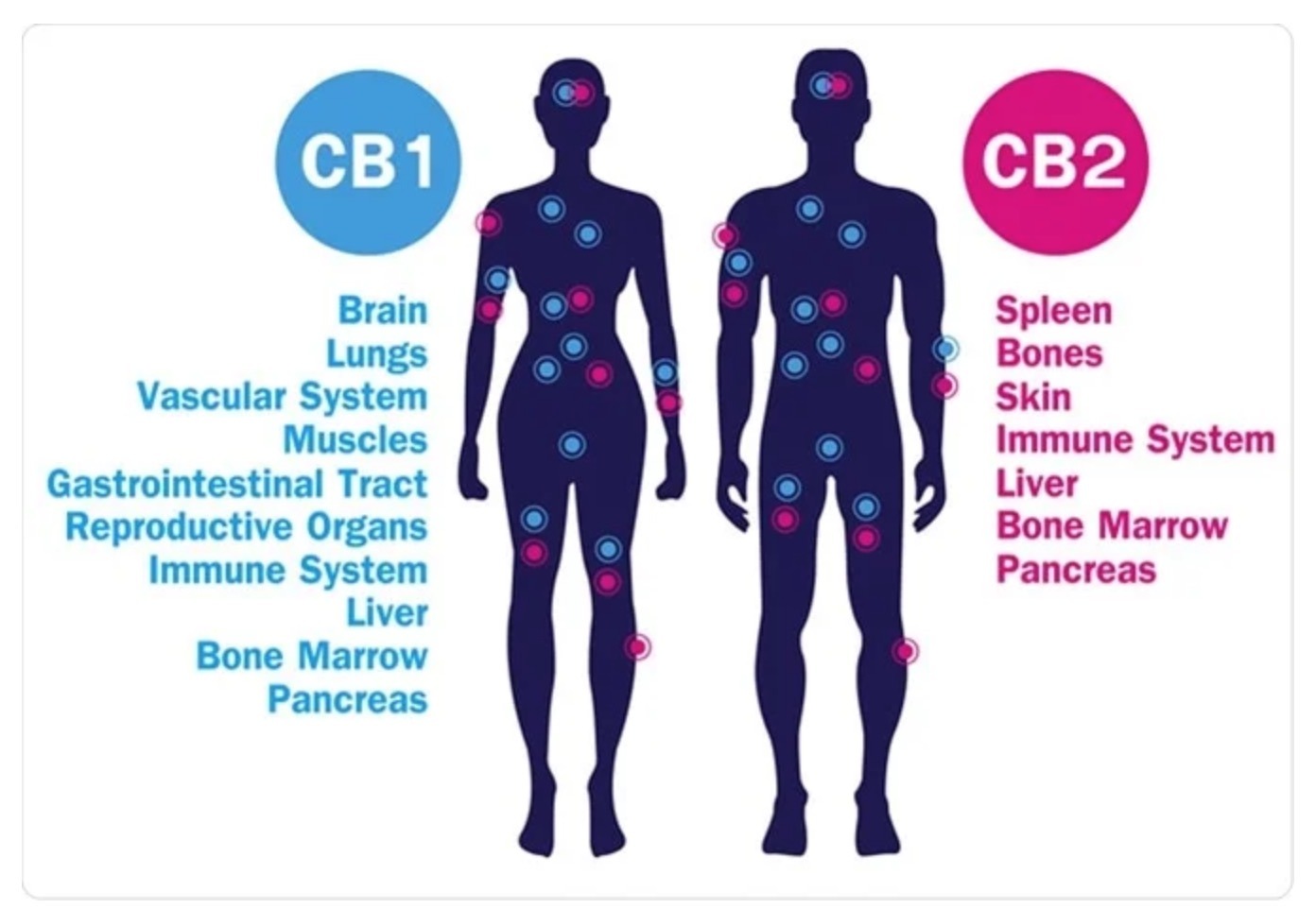
CBD acts via the endocannabinoid system, which is active on receptors found in multiple areas of the brain, and at spinal cord level, to stop the transmission of pain signals. It is 10-times as active as morphine in its effect on certain types of pain nerve cells, and also produces pain relief in response to stress. It produces peripheral pain relief as well by stimulation of CB1 receptors. CBD is chemically very similar to endocannabinoids like anandamide, or arachidonoylethanolamine, and 2-arachidonoylglycerol, that bind to ECS receptors. It increases the levels of anandamide at high doses, producing pain relief.
CBD also has powerful antioxidant activity, said to exceed that of vitamin C or vitamin E. It is thus claimed to be the first endocannabinoid modulator to be used in patients to relieve pain. It is also a TNF-α inhibitor, but does not cause gastric irritation or increase the risk of vascular disease like NSAIDs because it does not act on either of the cyclooxygenase enzymes (COX-1 and COX-2) that are inhibited by NSAID action. It also increases adenosine signaling and thus reduces inflammation and produces pain relief.